
Did you know that Apple launched 5 new models of its iPhone in 2025? The 16e, 17, 17 Pro, 17 Max and iPhone Air all made their way into shops around the world and the company has already launched a 17e this year.
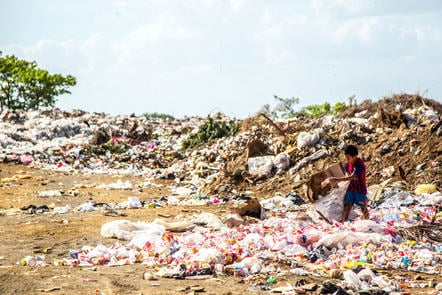
From shiny new brands and buzzy launches to the latest physical media resurgence, there’s never been a better time to sell products, and according to who you ask, buy them – but what happens after a product reaches the natural (or social) end of its life? More often than not, it goes to waste.
According to the UN and the World Bank:
- 92 million tonnes of textile waste is produced annually
- 19-23 million tonnes of plastic waste pollutes lakes, rivers and seas each year
- One-fifth of food produced for human consumption, roughly 1 billion meals a day, is lost or wasted over a year
It’s also estimated that by 2050, the world is expected to generate 3.4 billion tonnes of waste annually. So with the warmest years on record, growing landfills and changing consumer trends led by increasing digital adoption, how do we go about reducing waste in a world that’s more connected than ever? The answer may be simpler than you think.
In this article, we explore the impact of recycling, the future of recycling and sustainable tech and give a few of our top tips to help you think less of waste, and more of the opportunity recycling can give.
-
 The University of Glasgow
Tackling Climate Change: Sustainable Business Models for a Circular EconomyNature & Environment,Business & Management

What is Global Recycling Day?
Dubbed ‘the world’s foremost recycling celebration’, Global Recycling Day falls on 18 March every year to raise awareness and celebrate the importance of recycling and the role it plays in creating a more sustainable future. The awareness day was created back in 2018 by Ranjit Baxi, founding president of the Global Recycling Foundation who was also the first person to refer to recycling as the ‘Seventh Resource’, joining natural resources such as air, water, coal, oil, minerals and natural gas.
Why is recycling important?
For many of us, recycling has long been something we do on a regular basis, or at least know we ought to. The phrase “reduce, reuse, recycle” has already woven its way into our culture (thanks to decades of campaigning), and it’s one of the easiest ways to contribute to a less wasteful society, but why else is it so important?
To put it simply, recycling reduces the waste sent to landfills, as well as the carbon footprint that comes from manufacturing new products. Recycling approximately saves over 700 million tonnes in CO2 emissions, and it’s estimated that this will rise to 1 billion tons by 2030.
Recycling also creates new pathways for production, rather than the traditional model that sees the end of a product’s life once it’s been used, recycling is a key player in the circular economy that conserves energy and resources and reuses materials numerous times, giving materials a new lease of life, time and time again. That’s why waste reduction is key to the UN’s Sustainable Development Goal 12.
Top tips to help reduce waste
If you’re thinking of ways to get started, take a look at some of our top tips below.
1. Start at home
Our number one tip? Start by being aware of what you’re using and how often at home. Check your local government website for specific recycling guidance, but in general you should wash and clean items before recycling and separate items by materials (this will usually be glass, plastic, metal paper and cardboard). Depending on where you live you may also be able to request specific recycling bags or bins to help speed up the process.
2. Give items a new lease of life
You’ve probably heard of upcycling by now, but if not, it’s essentially when you refresh, revamp or repair old items, usually finding new ways to keep using them. It’s a great way to extend the lifetime of a product, and not only helps save more things from ending up in landfills, it also gives people an outlet to create their own unique, one-of-a-kind products, which may come in handy when running a business.
3. Be more intentional with purchases
Whether it’s going to the library, swapping plastic water bottles for refillable steel water bottles, choosing paper, bamboo or steel instead of single-use plastics, shopping second-hand, buying from low-waste shops and markets or even just buying less, there’s a ton that can be done to shop and live sustainably.
-
 Minca Ventures
Upcycling: From Green Ideas to Starting a BusinessBusiness & Management,Nature & Environment -
 University of York
Bioeconomy: How Renewable Resources Can Help the Future of Our PlanetNature & Environment,Science, Engineering & Maths
4. Consider sustainable or recycled materials
It’s no secret that fast fashion is one of the biggest polluters in the world. Part of the reason for this is because so many clothes from fast fashion brands are made from non-biodegradable materials such as polyester, nylon and acrylic, which means they end up in landfills for hundreds of years, if not longer.
Next time you’re shopping for new clothes, be on the lookout for clothes that are Fairtrade Certified, GOTS Certified or made of organic materials like cotton, hemp or linen.
5. Try something new
The more you think about your consumption, the more you may start to notice how each of these steps can be dialled up or down depending on your time, resources, location and lifestyle. It’s no different for this step. While growing your own food may instantly make you think of large allotments or lush vegetable gardens, growing your own food can be as simple as growing vegetables on your windowsill or fruit in a container.
6. Discover your purchasing power
Where, when and how you choose to spend your money has the potential to bring about change. Choosing to buy from a company is like a vote of confidence – if manufacturers see that fewer people are buying from them because of their practices, policies or supply chains, they’re more likely to make a change (rather than suffer big financial losses). So next time you’re thinking about shopping, don’t forget to vote with your wallet.
What can we expect in the future?
We’re more informed than we’ve ever been about climate change, so what’s next?
Tackling e-waste
The more we use digital technology, the greater our need to recycle the electronic devices we use, such as mobile phones, laptops and the batteries that power our devices. While it’s been reported that the clean technology market will grow to 1844.70 billion by 2030, we can also expect that electronic waste (e-waste) will become a bigger challenge to tackle. If you’re interested in learning more about e-waste, explore our range of courses with EIT RawMaterials.

Smarter solutions for food production
Experts are clear on this – to keep pace with change, we need to invest in skills and technologies to build resilient and sustainable food systems, whether through the use of new digital tools, environmental regulation, complete life-cycle assessments or greenhouse gas reporting.
Skills to support a sustainable future
According to LinkedIn’s Green Skills Report, hiring rates for roles that need green skills are 46.6% higher than the hiring rate for the overall global workforce. Green skills are in demand, with industries like utilities, technology and media seeing the largest growth, and it’s expected that this will only continue to increase.
Calls for transparency, not greenwashing
As consumers get savvier and more informed, it won’t be enough to simply market a product as made from recycled materials if it will only end up in a landfill once it gets used. In the coming years, we’ll see more companies offer transparency around their supply, production, distribution and waste management in an effort to keep their customers in a growing market.
How else to take action
If you’re ready to take action in other areas, consider the workforce. For anyone thinking of making a career change, there are a bunch of career paths you might be interested in, depending on your skills, experience and interests.
You might want to work in renewable energy, wildlife conservation, animal welfare, green technology or even as a specialist consultant or sustainability officer – but you can also work in any role and simply take a look at what your company is currently doing (you can usually find this by taking a look at their governance or ESG policy) and learn how you can incorporate more sustainable practices at work.
-
 EIT RawMaterials
Inclusive and Sustainable E-Waste Recycling: Global Solutions for a Growing ProblemScience, Engineering & Maths,Nature & Environment


Courses and degrees to support your learning
- Reducing E-waste By Design, Standards, Business & Policy by EIT RawMaterials
- The E-Waste Challenge by EIT RawMaterials
- Circular Cities: Building Sustainable Business Models by Deakin University
- Planning for Sustainability: Recycling and Waste in a Circular Economy by Deakin University
- Introduction to Sustainable Practices in Food Service by International Culinary Studio
- Business Futures: Sustainable Business Through Green HR by RMIT University
- Sustainability in Business: Building a Greener Future by the University of Leeds
- Bachelor of Sustainability by the University of New England (UNE)
- Sustainable Fashion MA by Falmouth University
- Innovation, Enterprise and Circular Economy MBA by the University of Bradford
View the original article and our Inspiration here